Make Wood Street safe for kids
A campaign for locals, by locals.
Would you like there to be bike lanes along Wood Street?
Would you like there to be less traffic - and more space - as you take your kid to school?
Do you think cars need to stop speeding on Wood Street?
Do you wish there was a lift at Wood Street station?
We need to make Wood Street a safer place for children – and a better place for all locals.
Wood Street is a brilliant place, home to independent businesses and a welcoming community. And every day, hundreds of children travel to and from nursery or school along Wood Street. But Wood Street’s design is not safe for children.
Within a 15-minute walk from Fulbourne Road to just past Wood Street station, there is at least one secondary school, four nurseries, and three primary schools in and around the area. Despite this, there are no protected cycle paths. Cars frequently speed and ignore the 20mph limit. The pavements are too narrow for families to walk comfortably or safely. And there is also pervasive pollution from cars, and little greenery or trees.
This needs to change. Wood Street for Families want journeys to and from schools and nurseries to be safe, calm and pleasant for children and their families.
But this is about more than just the school run. We want Wood Street to be greener, more welcoming and more accessible for everyone. This also includes the need for a lift at Wood Street station, so families with prams, people who use wheelchairs, and many others can move freely in their community.
For too long, Wood Street has been overlooked and underfunded. We want to make these changes to Wood Street today.
Please show your support for Wood Street for Families by signing up below.
Wood Street for Families is calling for these four changes to Wood Street today:
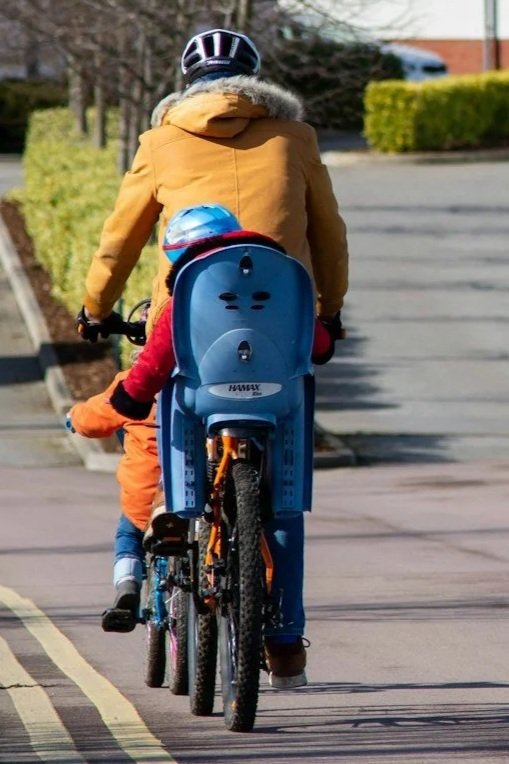
In London, a major study found protected cycle infrastructure reduced injury risk by 40-65%, while painted advisory lanes actually increased injuries by 34%. The difference is real separation from traffic.
Across 12 major US cities, dedicated bike lanes reduced fatalities by 44% and serious injuries by 50%. Cities like Portland increased cycling from 1.2% to 6% while dropping road deaths by 75%. Seattle saw a 60% reduction in fatalities; San Francisco 50%.
Well-designed infrastructure naturally slows traffic and creates calmer roads for everyone - not just cyclists. When parents see proper barriers, they're willing to let their children bike.
Data sources: Cycling injury risk in London study • Journal of Transport & Health • PeopleForBikes: Protected Bike Lanes Statistics • Canadian Paediatric Society
Add protected bike lanes so kids and adults can cycle safely

2. Remove on-street parking and replace it with wider paths and greenery
In the UK, research shows on-street parking is directly or indirectly responsible for 15-20% of urban crashes - by reducing visibility, narrowing pavements, and forcing pedestrians into the road.
When cities removed on-street parking and replaced it with better pedestrian space, results were dramatic: 27-30% reduction in travel time, 43-47% reduction in delays, and 94% reduction in traffic crashes.
Wider pavements benefit everyone, particularly families with pushchairs, elderly residents, and people using wheelchairs or walking aids. They need clear sight lines and adequate space to move safely.
Data sources: PMC: Searching for Street Parking • Springer Nature: On-street parking regulations and safety • PMC: Pedestrian Safety in Urban Transport Systems • Journal of Transportation Safety & Security
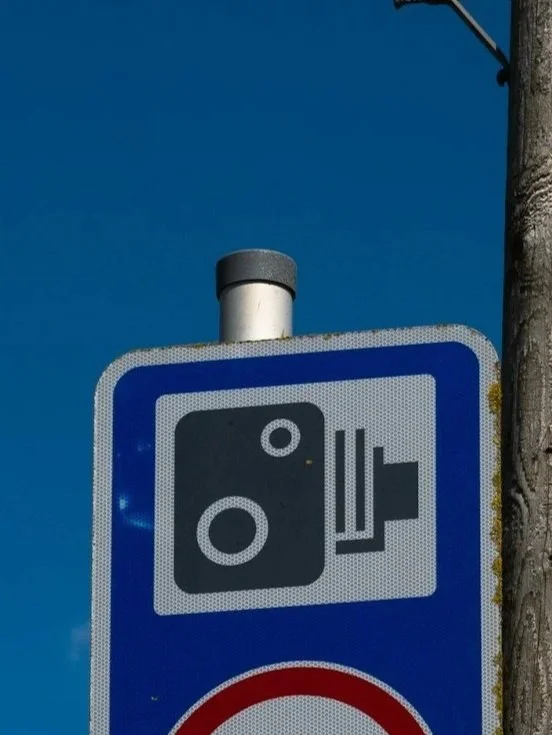
3. Add speed cameras and speed bumps to make it safer to walk
Speeding is the number one factor in crash severity. In the UK, speed cameras reduce collisions by an average of 15%, with some locations seeing reductions up to 69%. Nottingham's Safety Camera Pilot achieved a 65% reduction in killed and seriously injured figures.
Globally, a systematic review found speed cameras reduce collisions by 5-69%, injuries by 12-65%, and deaths by 17-71%. San Francisco saw speeding decrease by 72% at camera locations.
For traffic calming measures like speed bumps, research shows children living near a speed hump have a 53-60% reduction in odds of injury or death when hit by a vehicle.
Data sources: PLOS One: Speed cameras and road traffic collisions • BMJ: Effectiveness of speed cameras • American Journal of Public Health: Speed humps and childhood pedestrian injuries • Vision Zero Network: Making Speed Safety Cameras Effective
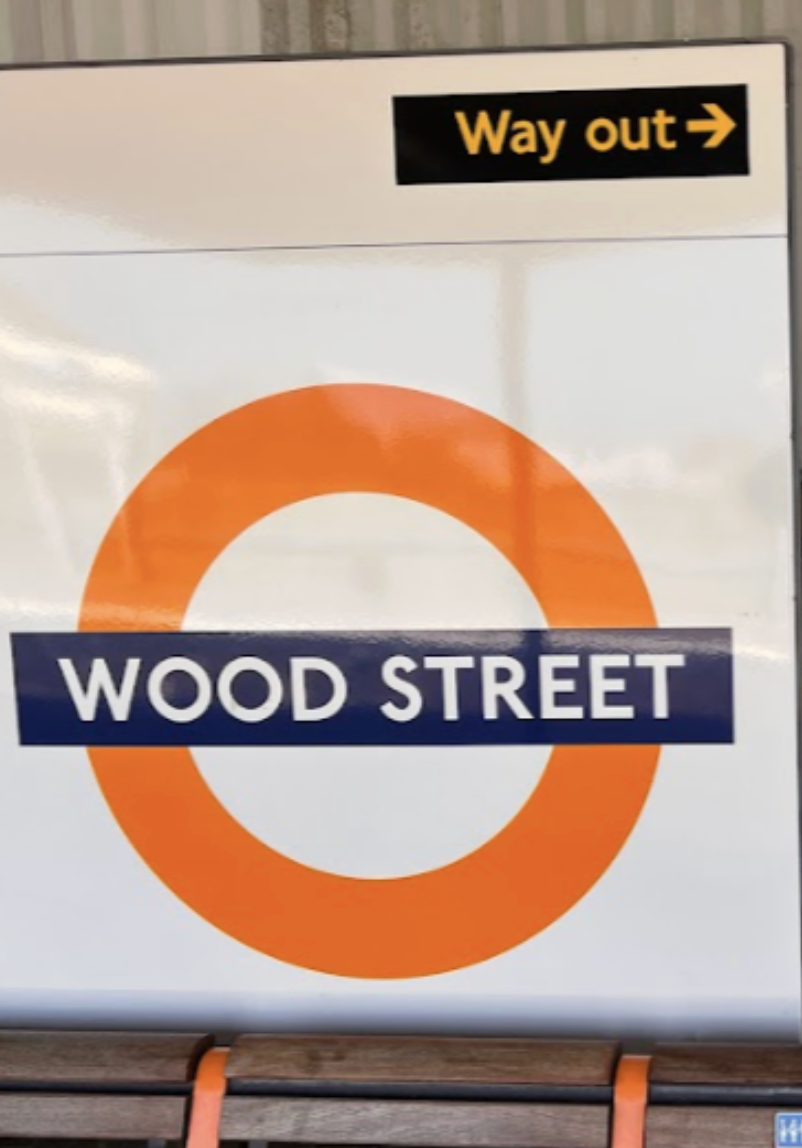
4.Add a lift to Wood Street overground station
Only 25% of UK train stations are step-free from street to platform.
A missing lift makes the station unusable for wheelchair users, parents with pushchairs, elderly residents, and people carrying luggage. The government allocated £300 million for the 'Access for All' programme to install lifts at 73 stations, but progress is slow.
Sources: Transport for All: Trains accessibility research • House of Commons Library: How accessible are Britain's railway stations? • Office of Rail and Road: Accessibility data and statistics
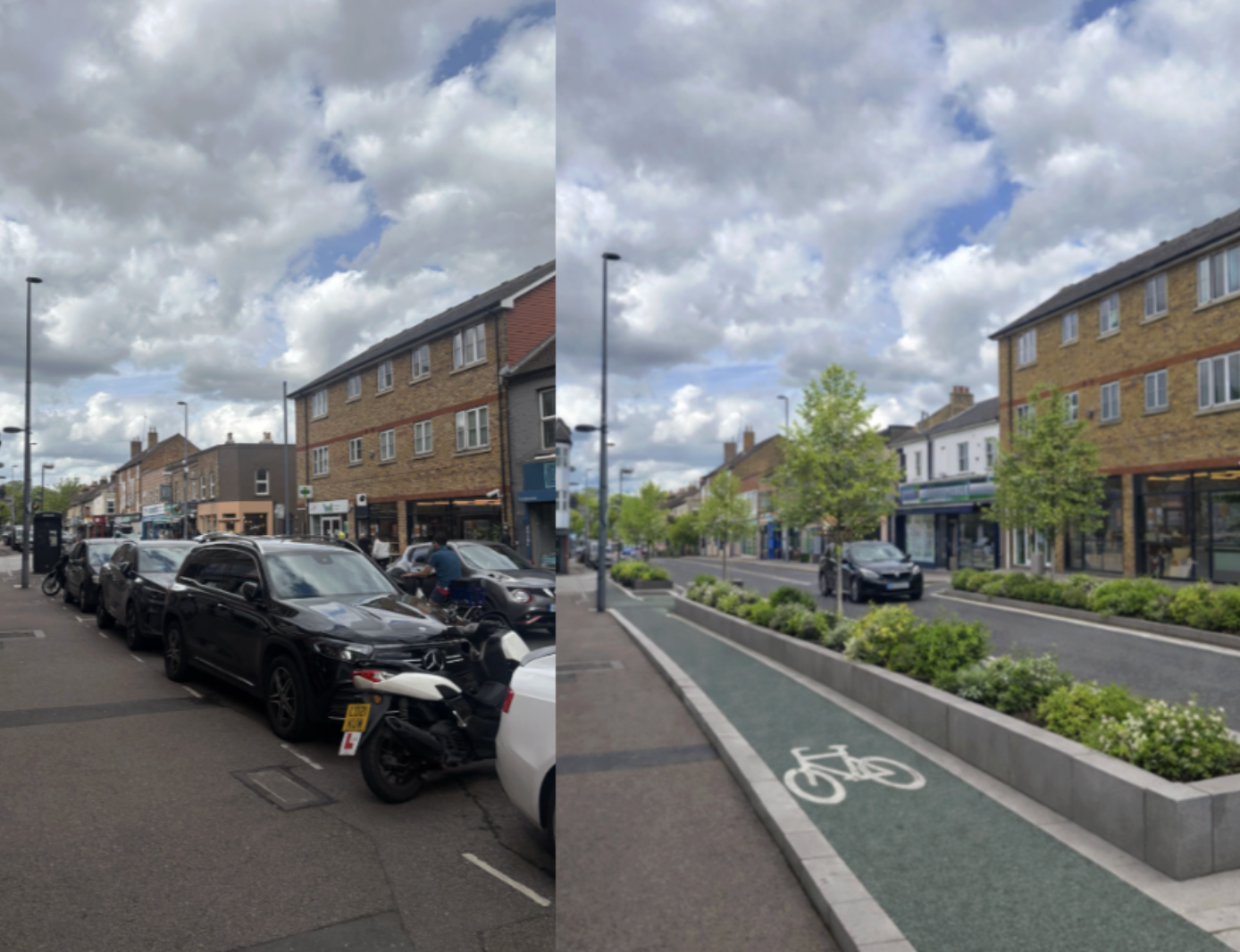
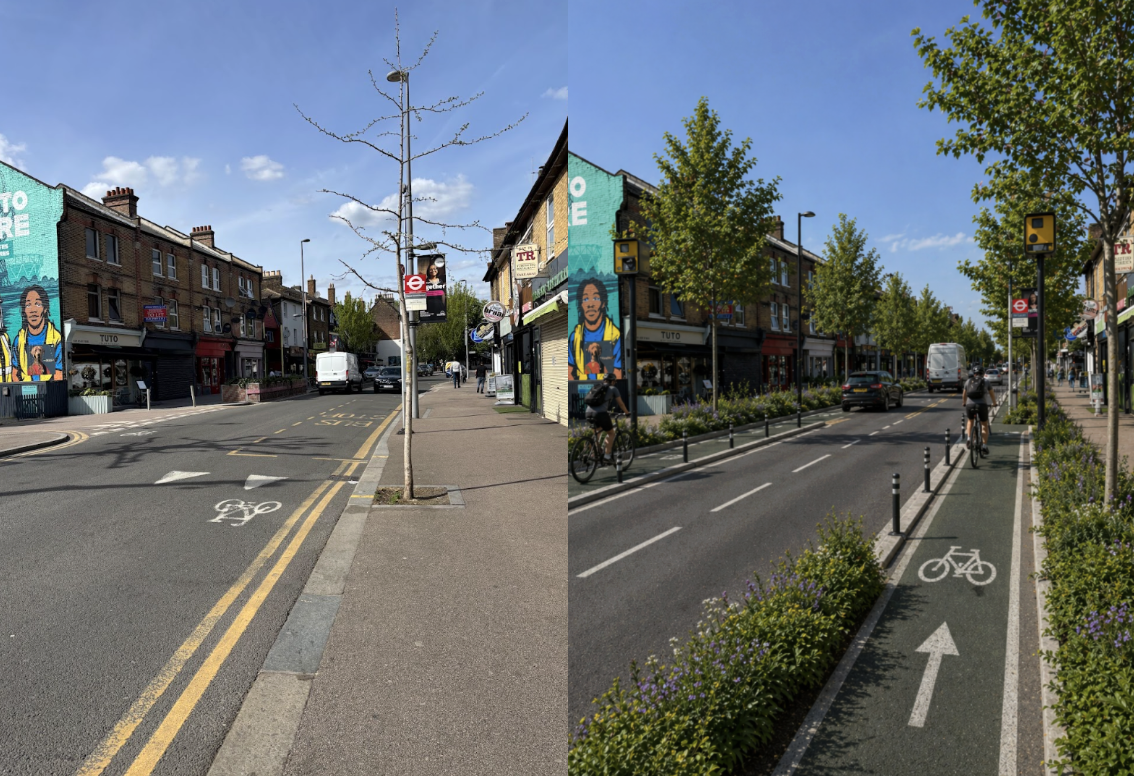
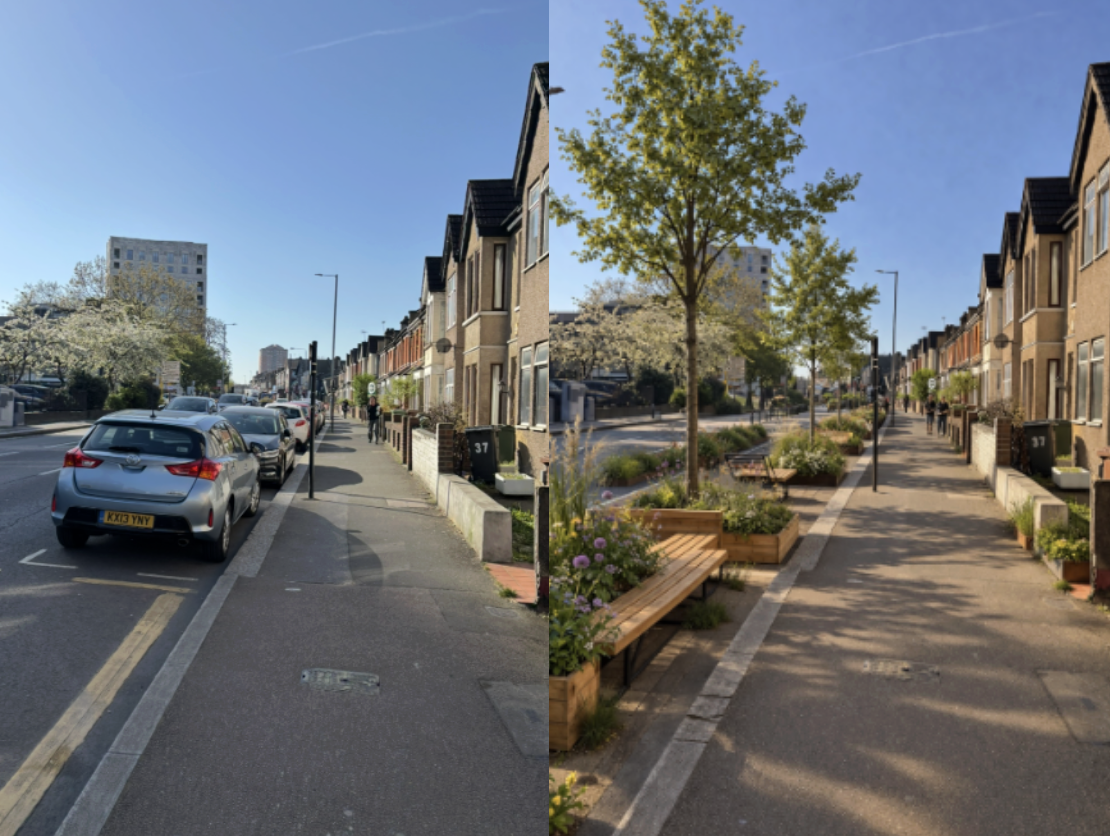
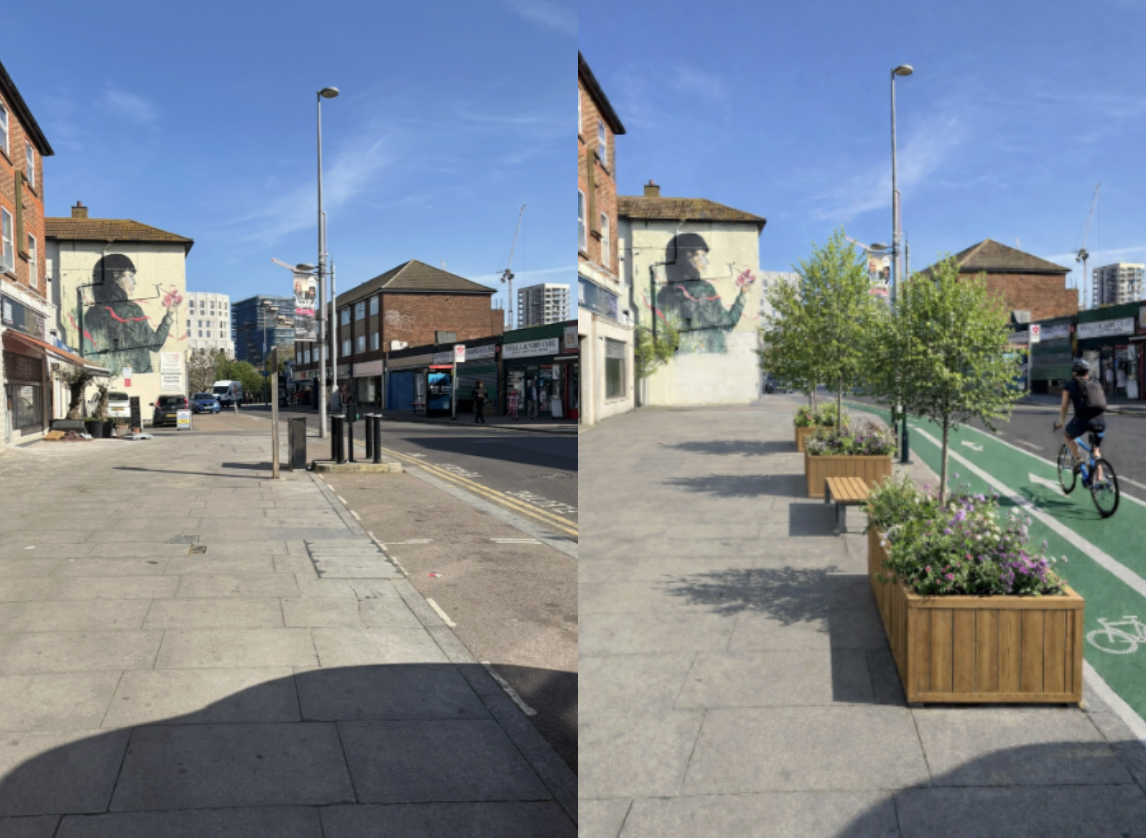
What could Wood Street look like with these changes?
We’ve mocked up some before and after photos below.